Learn how to conduct a meaningful year-end review. Discover practical steps to reflect on wins, lessons, and growth—and set the stage for a successful new year.
Introduction
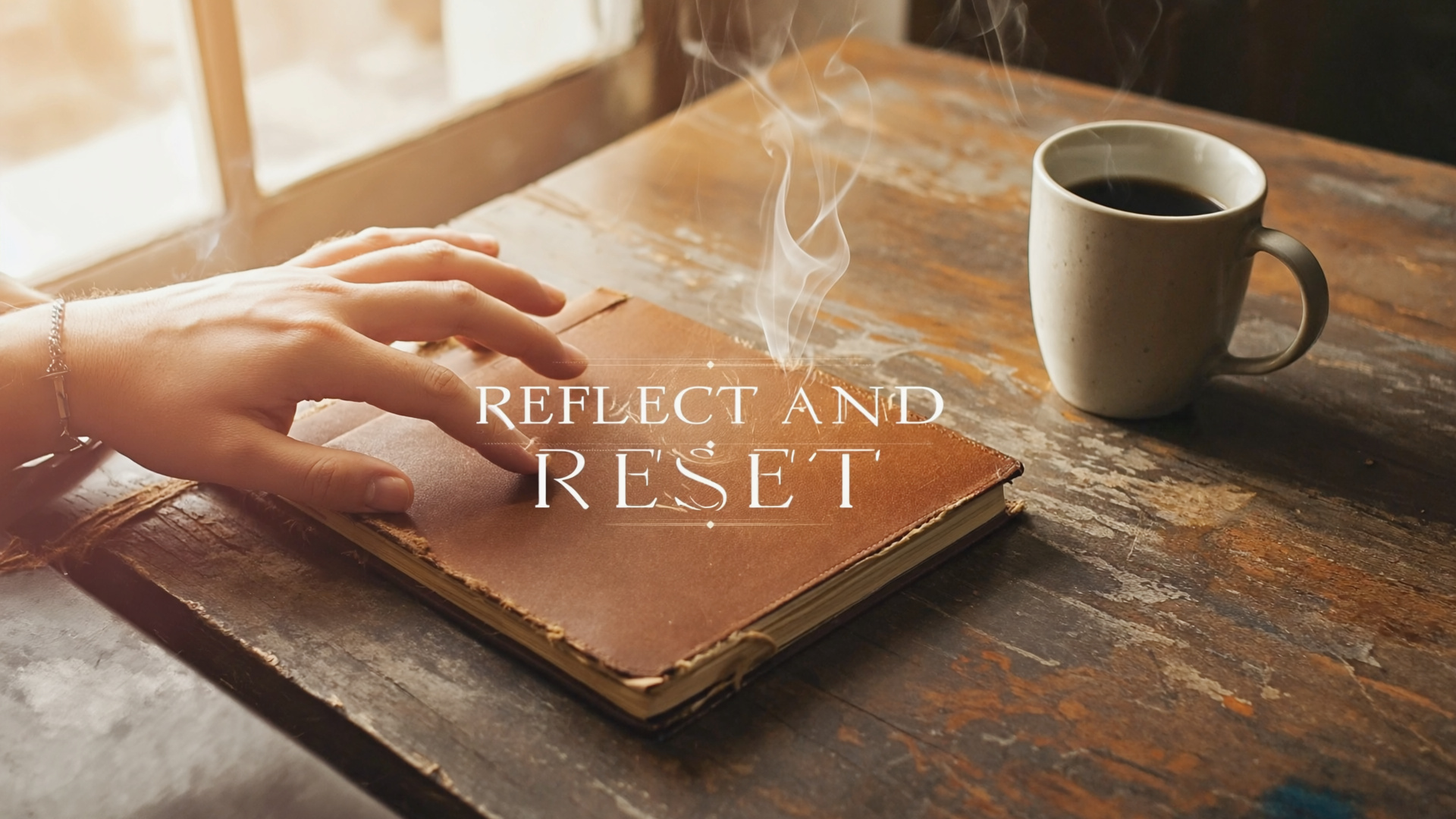
The end of the year is more than a calendar milestone—it’s an opportunity to pause, reflect, and reset doing year-end review. A structured year-end review helps you celebrate progress, learn from challenges, and prepare for the year ahead with clarity and confidence.
Step 1: Celebrate Wins
Start by acknowledging what went well. Big achievements matter, but so do small victories.
- List your top 5 accomplishments.
- Include personal and professional wins.
- Reflect on what made these possible.
Celebrating success builds confidence and reinforces positive habits.
Step 2: Analyze Challenges
Growth comes from understanding setbacks. Identify what didn’t work and why.
Questions to ask:
- Which goals fell short?
- What patterns contributed to challenges?
- What lessons can you carry forward?
Avoid judgment—focus on learning.
Step 3: Review Habits and Routines
Habits shape outcomes. Which supported your success? Which need adjustment?
Checklist for year-end review:
- Habits that boosted productivity
- Habits that drained energy
- New habits to consider for next year
Step 4: Assess Goals and Priorities
Not all goals deserve to move forward. Decide what stays, what goes, and what evolves.
Action points:
- Mark completed goals
- Identify unfinished goals worth continuing
- Drop goals that no longer align with your vision

Year-end review. Time for journaling, celebration, analyzing and reflection
Step 5: Gratitude and Closure
Gratitude strengthens resilience and perspective.
Exercise:
- Write down 3 things you’re grateful for this year.
- Share gratitude with someone who impacted your journey.
Conclusion
A year-end review isn’t about perfection—it’s about progress. Take time to reflect, learn, and reset. Your future self will thank you.
Call to Action:
What’s one lesson you learned this year? Share it in the comments and inspire others.
Leave a Reply